
Considering SGB? A Doctor’s Guide to Neuro Sympathetic Reset for PTSD, Anxiety, and Stress
Updated: Aug 7
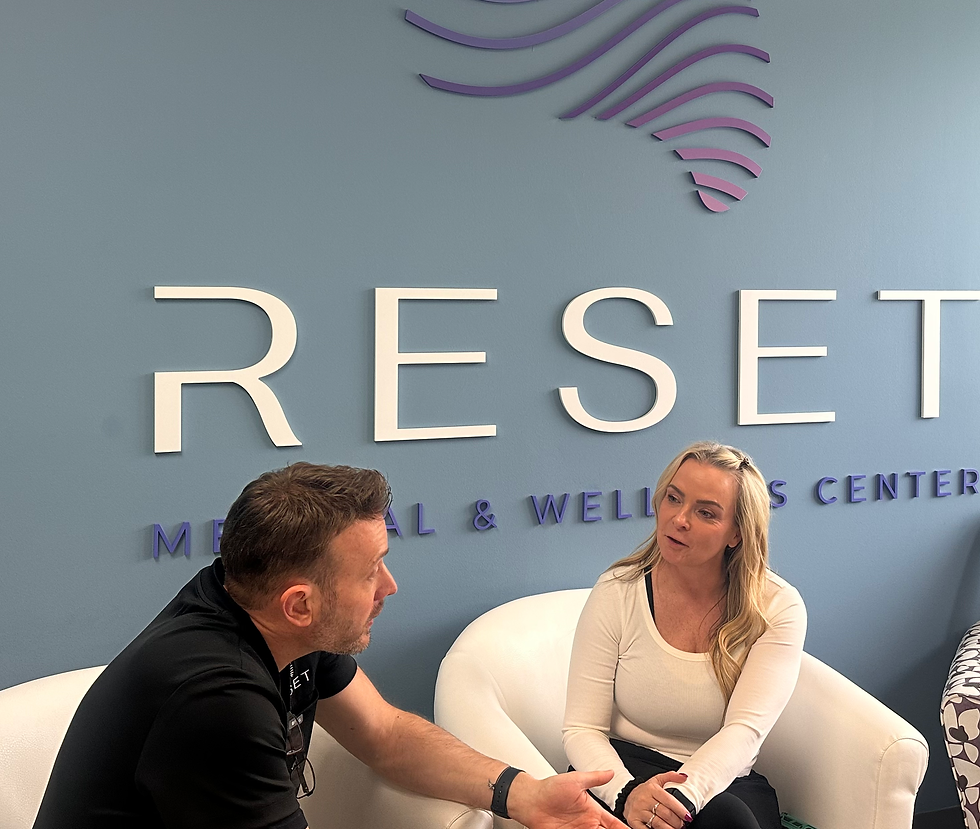
If you're considering stellate ganglion block (SGB) for trauma, anxiety, or chronic stress, you're probably asking the same questions I hear every day:
Am I a candidate?
Will it work?
How long does it last?
Is it safe?
When I sit down with patients to discuss this treatment, I am not just explaining a procedure. I am helping them understand what is driving their symptoms and whether targeting the nervous system makes sense for them.
What most people call a stellate ganglion block is a treatment of the sympathetic nervous system, the part of your body responsible for the fight-or-flight response. In many patients dealing with trauma, anxiety, or chronic stress, that system becomes overactive and remains that way. What I hear most often is not only emotional distress but also physical symptoms, including panic attacks, poor sleep, irritability, and a constant sense of being on edge. The goal is not to mask those symptoms but to address the source of the injury - the overactive response - so the body can begin to regulate again.
It is also important to clarify our approach to SGB at Reset. We do not offer just a standard stellate ganglion block. What we perform is called Neuro Sympathetic Reset (NSR), our more advanced and refined approach designed to optimize outcomes. This includes dual-level targeting of the cervical sympathetic chain, a structured treatment process, and a strong emphasis on trauma-informed care and integration after the procedure. If you would like to learn more about our approach, visit our Neuro Sympathetic Reset (NSR) treatment page.
The key point is that the procedure itself is only one part of the process. How it is performed, how patients are prepared, and how they are supported afterward all play a major role in outcomes.
Am I a Good Candidate?
One of the most important parts of my process is determining who is actually a good candidate.

At Reset, I use a structured, objective intake process with validated clinical
assessments for PTSD, anxiety, and depression. I encourage every patient to start with our free self-assessment, which measures symptoms using tools like the PCL-5, PHQ-9, and GAD-7. This gives both you and me a clearer understanding of what you are experiencing.
At the same time, I always emphasize that numbers alone do not tell the full story. I have seen patients with lower trauma scores still benefit, particularly when their symptoms are more physical in nature. In those cases, the decision becomes more individualized, which is why we offer free consultations to review your specific situation and determine the best path forward.
Will this help my other conditions?
Many patients ask whether Neuro Sympathetic Reset (NSR) may help symptoms associated with chronic pain, POTS, traumatic brain injury (TBI), autoimmune or inflammatory conditions, digestive issues, or chronic fatigue.
The answer is that many patients do experience meaningful improvements in these conditions, particularly when chronic stress and nervous system dysregulation are contributing factors.
Rather than treating these conditions directly, NSR is designed to help regulate an overactive sympathetic nervous system. Chronic stress, poor sleep, and a persistent fight-or-flight response can place tremendous strain on the body and often make many health conditions more difficult to manage. As the nervous system begins to regulate, many patients report improvements not only in symptom severity, but also in how often they occur.

This concept is especially important when it comes to chronic fatigue. Living in a prolonged state of fight-or-flight places a tremendous demand on the body, leaving many people feeling exhausted even after a full night's sleep. By helping regulate an overactive nervous system, many patients notice improvements in their energy, sleep, and overall sense of well-being. If this sounds familiar, you may find our article, Why Am I Exhausted All the Time? The Hidden Cost of Living in Survival Mode, helpful in understanding the connection between chronic stress, the nervous system, and fatigue.
Although Neuro Sympathetic Reset is not a specific treatment for these conditions, many patients experience improvements as their nervous system becomes more regulated. While the scientific understanding continues to evolve, the results we see in clinical practice have been very encouraging.
How Long Does SGB Last?
The honest answer is that it varies from person to person. Some patients notice changes within hours or days, while others experience more gradual improvements over several weeks as their nervous system begins to regulate. For many patients, the benefits last months to years, while others may benefit from an occasional repeat treatment depending on their symptoms and ongoing stressors. You can view our clinical outcomes here.
What I focus on most, however, is not just how long the treatment lasts, but what it makes possible. When the nervous system is no longer trapped in a constant fight-or-flight state, it creates an opportunity for deeper healing to occur. Many patients find they are finally able to sleep more soundly, think more clearly, engage more fully in therapy, exercise, reconnect with loved ones, or simply feel like themselves again.
In other words, NSR is not the finish line. It is often the catalyst that allows the rest of your healing journey to begin.
Is Stellate Ganglion Block Safe?

When performed with real-time ultrasound guidance and precise technique, this procedure is very safe. In my practice, I have extensive experience with cervical spine and ultrasound-guided interventions, and I take every step of the process with careful attention to detail, patient comfort, and safety.
There are expected temporary effects such as a drooping eyelid, regional numbness, or mild hoarseness, all of which resolve within several hours. More serious complications are exceedingly rare. In my experience, patients consistently find the procedure to be much quicker, smoother, and more comfortable than they anticipated.
As I guide patients through this decision, I often come back to a few key questions:
Do your symptoms feel like your body is stuck in overdrive?
Have you tried traditional approaches but still feel limited by your symptoms?
Do you want to stop masking your symptoms and start treating the underlying injury?
Are you open to addressing the nervous system directly while also committing to the work that comes afterward?

If the answer is yes to these questions, then NSR may be a very reasonable option to consider.
Our understanding of trauma continues to evolve. While traditional approaches have often focused on coping and symptom management, growing research highlights the important role of the nervous system in recovery. My goal is not simply to help patients manage symptoms, but to help create the conditions where healing becomes possible.
Over the years, I have had the privilege of watching many individuals reclaim their lives, reconnect with their families, and rediscover hope. Many have generously shared their experiences and recovery stories on our testimonials page, offering encouragement to others considering their own healing journey.
If you are considering this treatment, I encourage you to start with our free online assessment to determine whether Neuro Sympathetic Reset may be right for you.
Frequently Asked Questions
Is Neuro Sympathetic Reset different from a traditional stellate ganglion block?
Yes. Neuro Sympathetic Reset (NSR) is our advanced approach to stellate ganglion block that incorporates dual-level targeting, real-time ultrasound guidance, trauma-informed care, and structured support before and after treatment.
How quickly does SGB work?
Some patients notice improvements within hours, while others experience more gradual changes over several days or weeks. Response times vary from person to person.
How long do the effects of SGB last?
Many patients experience relief lasting months or even years. Some individuals benefit from repeat treatments if symptoms gradually return.
You can view our outcomes here
Is a stellate ganglion block safe?
When performed with ultrasound guidance and proper technique, SGB is considered very safe. Temporary effects such as eyelid drooping, hoarseness, or regional numbness are expected and typically resolve within a few hours.
Can SGB replace therapy or medications?
Neuro Sympathetic Reset is not intended to replace therapy, medications, or other treatments. Instead, many patients find that regulating the nervous system helps them engage more effectively in counseling, exercise, healthy sleep, and other aspects of recovery. Treatment plans should always be individualized.
Can SGB help conditions other than PTSD?
Although SGB is most commonly used for PTSD, anxiety, trauma-related symptoms, and chronic stress, some patients also report improvements in sleep, migraines, chronic pain, post-concussive symptoms, and symptoms associated with autonomic dysfunction. Research in these areas is still evolving.
If you are considering this treatment, I encourage you to start with our free online assessment to determine whether Neuro Sympathetic Reset may be right for you.
About the Author
Michael J. Louwers, MD is the CEO and Medical Director of Reset Medical & Wellness Center in Strongsville, Ohio. He is board-certified in Physical Medicine & Rehabilitation and fellowship-trained in Interventional Pain Medicine, with additional training in Addiction Medicine and Interventional Psychiatry. Dr. Louwers specializes in trauma-informed, nervous system-based treatments for trauma and stress related conditions.