
IV Ketamine vs Spravato: Which Treatment is Right for You
Updated: Jul 30

If you're exploring ketamine therapy for depression, PTSD, or another mental health condition, you've probably come across two primary treatment options: IV ketamine infusions and Spravato® (esketamine) nasal spray. While IV ketamine is generally considered the gold standard because it provides nearly 100% bioavailability and allows for precise, individualized dosing, that doesn't mean it's the right choice for everyone. Both IV ketamine and Spravato® can be highly effective, and each offers unique advantages depending on your diagnosis, medical history, treatment goals, lifestyle, and insurance coverage.
One of the questions I'm asked most often is, "Which one is better?" The truth is, there isn't a one-size-fits-all answer. My role isn't to steer you toward one treatment over the other; it's to help you understand the differences so we can decide together which option is most appropriate for your individual situation.
How Ketamine Works
Unlike traditional antidepressants that primarily affect serotonin, ketamine works on the brain's glutamate system. This helps promote neuroplasticity—the brain's remarkable ability to form new, healthier neural connections.
For many people living with depression, PTSD, or anxiety, this can lead to improvements much more quickly than traditional antidepressants. While every patient responds differently, it's not uncommon for people to begin noticing positive changes within days rather than waiting weeks.
Understanding Medication Absorption
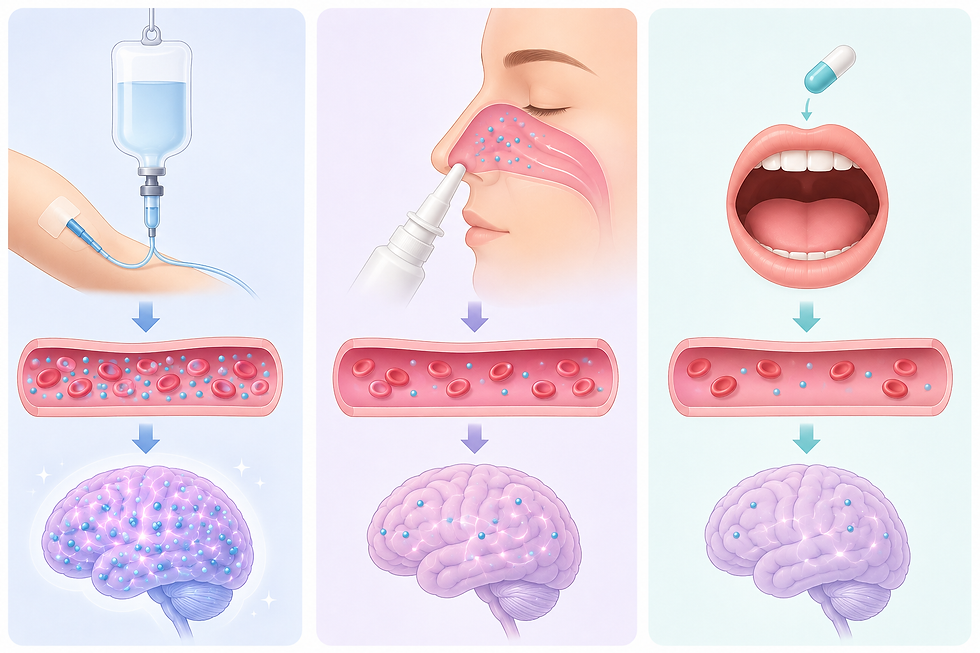
One important difference between IV ketamine and Spravato® is something called bioavailability, which simply refers to how much of the medication actually reaches your bloodstream and brain.
With IV ketamine, bioavailability is nearly 100% because the medication is delivered directly into the bloodstream. That allows me to precisely control the dose and provides a very consistent treatment experience from one infusion to the next.
Spravato®, an intranasal form of esketamine, has a bioavailability of approximately 30–50%. That doesn't mean it's less effective; it simply means absorption can vary from person to person because the medication is absorbed through the nasal lining.
Treatment Scheduling
The treatment schedules are also quite different.
IV Ketamine
When I recommend IV ketamine, most patients begin with a series of six infusions over three to five weeks. After that, we individualize maintenance treatments based on how you're feeling. Some patients eventually go weeks or months between treatments, while others don't require maintenance therapy at all.
Spravato®
Spravato® follows an FDA-approved treatment schedule that starts with twice-weekly treatments before transitioning to weekly and then every-other-week visits. Some patients appreciate having that structured schedule, particularly since Spravato® may be covered by insurance for eligible individuals.
IV Ketamine vs. Spravato®: Which Do I Recommend?
IV ketamine offers individualized dosing, nearly complete medication absorption, and greater flexibility over time. Spravato® offers an FDA-approved, protocol-driven treatment that may be more accessible for patients who qualify for insurance coverage.
When I sit down with a patient, I don't start by asking which treatment they want. I start by learning about their story: What they've been through, what treatments they've already tried, what's worked, what hasn't, and what they hope to achieve. From there, we decide together which option makes the most sense.
My Philosophy on Ketamine Therapy
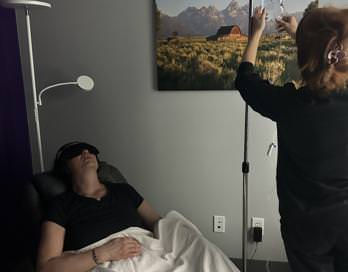
While there are important differences between the two treatments, I've found that another factor often has just as much influence on a patient's experience: where they receive their care.
Depression, PTSD, and anxiety can make even simple tasks feel overwhelming. Walking into a crowded waiting room, feeling rushed through an appointment, or being treated like just another number only adds to that burden. That's one of the reasons I created Reset Medical & Wellness Center differently.
From the moment you arrive, my goal is for you to feel welcomed into a calm, comfortable, and supportive environment. We've intentionally kept our practice small and personal so every patient receives the time, attention, and compassion they deserve. Healing isn't just about the medication. Healing is also about feeling safe, respected, and genuinely cared for throughout the process.
Ketamine Therapy at Reset Medical & Wellness Center
At Reset Medical & Wellness Center, I don't believe in a one-size-fits-all approach to

mental health care.
Rather than recommending the same treatment for everyone, I believe in taking the time to understand your story, your symptoms, your previous treatments, and your goals. Together, we'll determine the approach that offers the greatest opportunity for meaningful improvement.
Whether that path includes IV ketamine, Spravato®, NSR, or a combination of therapies, my commitment remains the same: to provide evidence-based care in a welcoming, trauma-informed environment where you never feel like just another appointment on the schedule.
If you're wondering which treatment may be right for you, I'd encourage you to reach out. My team and I are always happy to answer your questions, discuss your options, and help you take the next step toward healing. Complete our intake form here to receive your free assessments.
About the Author: Dr. Michael J. Louwers is the Medical Director and Owner of Reset Medical & Wellness Center. He specializes in innovative, evidence-based treatments for PTSD, treatment-resistant depression, anxiety, and nervous system disorders, including Neuro Sympathetic Reset (NSR), IV ketamine, and Spravato®. His practice is dedicated to providing compassionate, trauma-informed care that helps patients regain hope and improve their quality of life.
Related Articles: